Choosing the right entrance mat
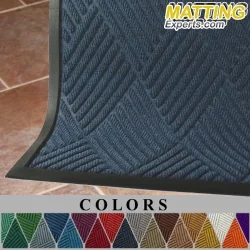
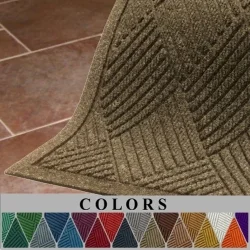
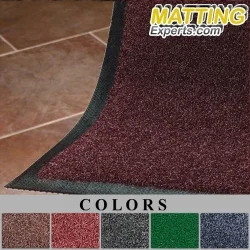
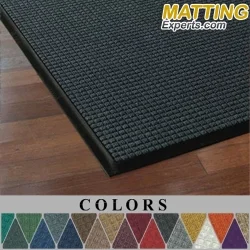
- Indoor entrances: choose an absorbent, soil-holding surface for lobbies, vestibules and interior doorways where tracked-in moisture is the main concern.
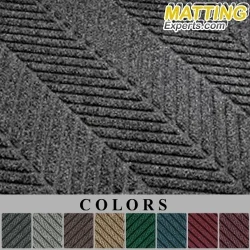
- Covered or transitional areas: select a durable scraping-and-drying mat rated for the intended exposure. Product specifications identify suitable indoor or outdoor placement.
- Long entrances: use roll goods or tiles to create a longer walk-off zone. More footsteps on the mat generally means more opportunities to remove contamination.
- Hard floors versus carpet: select a backing compatible with the substrate. Backing style matters for stability and for protecting the floor below.
Size, edges and maintenance
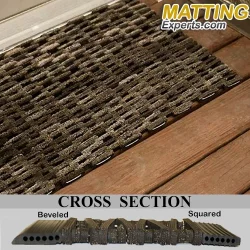
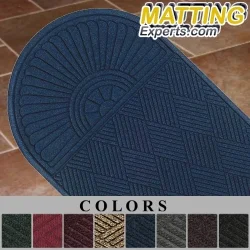
Measure the clear floor area and verify that doors can pass over the selected thickness. Standard rectangular mats suit many doorways; custom sizes, rolls and tiles are useful for wide vestibules or unusual layouts. Beveled edging creates a more gradual transition where a mat lies on top of the floor.
Maintenance needs depend on construction and soil load. Regular vacuuming removes dry grit before it fills the surface. Many products can also be extraction-cleaned or hosed, but always confirm the care instructions for the specific mat and allow it to dry before returning it to service. Lift loose mats periodically to clean and dry the floor underneath.
For selection help, compare entrance mats by application, review commercial mat surface types, or ask us about sizes, samples and high-traffic entry systems.